Technology has always been a force of transformation, but the pace at which it is evolving today is unprecedented. Each new advancement seems to unlock further possibilities, reshaping industries, redefining human interactions, and setting the stage for an entirely new era of innovation. As we stand at the edge of this digital horizon, it becomes essential to explore the technologies that are quietly revolutionizing the world and understand how they will influence the way we live, work, and think. This blog delves into the most impactful technological trends emerging today and what they mean for the future.
The Rise of Contextual Artificial Intelligence
Artificial intelligence has moved far beyond performing simple tasks or offering basic automation. The newest generation of AI systems can evaluate context, understand subtle human behaviors, and anticipate needs before they are explicitly expressed. Unlike earlier models that operated purely on rigid rules and patterns, contextual AI thrives on fluidity, learning from how people communicate, perform tasks, and make decisions.
Contextual AI will soon enable devices and applications to adapt to emotional tone, lifestyle habits, and even long-term preferences. Imagine communication tools that shift their tone based on your mood or productivity apps that can predict your workload stress and adjust notifications accordingly. These advancements will not just increase convenience but also enhance personalization, making technology feel more like a helpful partner than a mechanical system.
The Evolution of Hyper-Connected Workspaces
Remote and hybrid work environments are rapidly becoming a standard rather than an exception. But the next stage in this transformation lies in hyper-connected digital workspaces. These environments will blend virtual reality, augmented reality, and collaborative AI tools to create immersive professional ecosystems that feel both engaging and natural.
Virtual meeting rooms, interactive 3D work boards, and AI-curated project management systems will help bridge the gap between physical and digital workplaces. Instead of simply connecting through video calls, teams will collaborate in shared virtual environments where distance and location are irrelevant. For businesses, this means access to global talent without geographical limitations. For individuals, it means the flexibility to work, learn, and connect from any location while experiencing a strong sense of presence and interaction.
Smarter Cities Driven by Intelligent Infrastructure
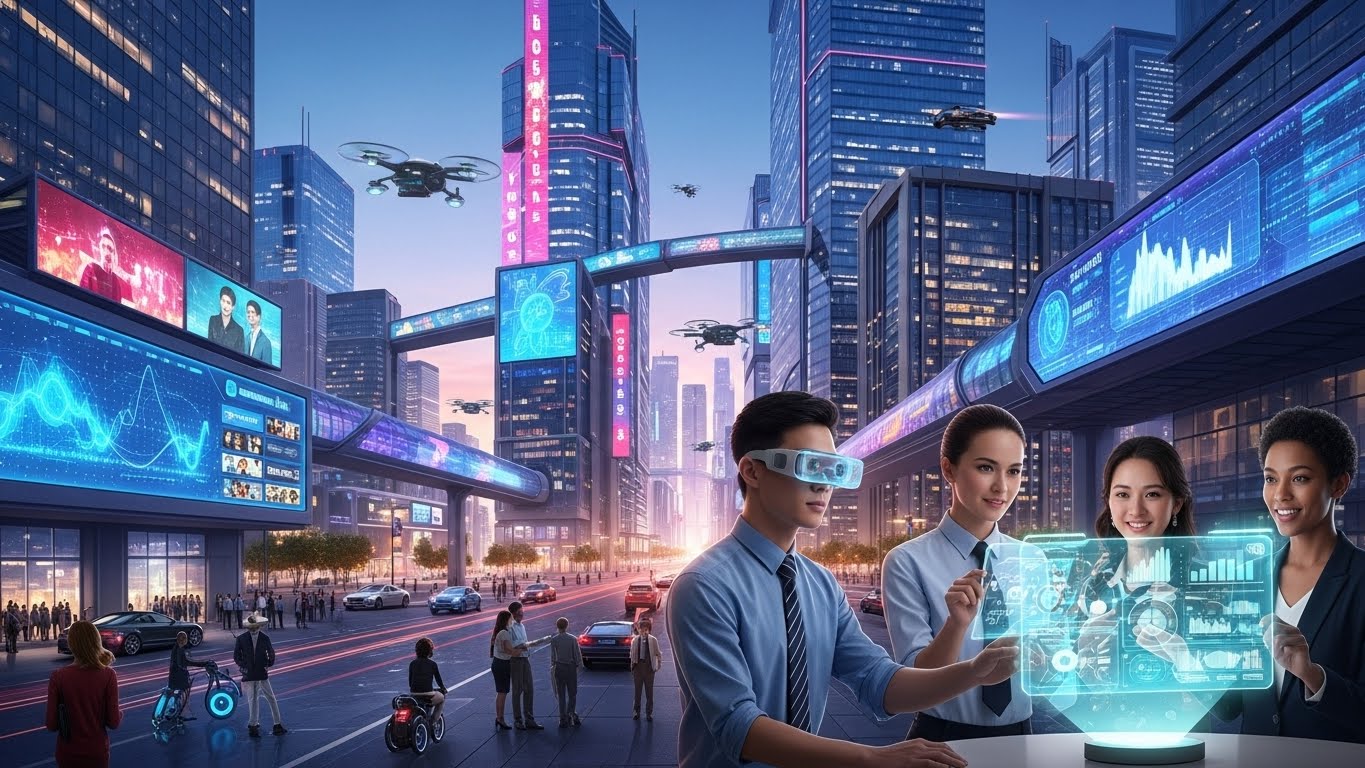
Urban development is undergoing a dramatic shift with the rise of intelligent infrastructure and real-time data integration. Future smart cities will be built around interconnected systems that communicate seamlessly. Energy grids will adapt to consumption patterns, public transportation will optimize routes based on real-time demand, and waste management systems will operate autonomously to improve efficiency.
At the heart of these innovations is the concept of data-driven decision making. Sensors embedded throughout city landscapes will monitor air quality, traffic congestion, noise levels, and environmental changes. This data will be used not only to improve public services but also to enhance sustainability efforts. The goal is to create cities that are cleaner, safer, and more responsive to the needs of residents.
Personal Health Technology Moving Beyond Wearables
Wearable fitness trackers and smartwatches have already transformed personal health monitoring, but the next wave of health technology aims to go much deeper. Instead of simply tracking steps or heart rate, upcoming health devices will analyze nutritional patterns, stress levels, blood chemistry, and even early symptoms of illnesses.
Advancements in micro-sensors and bio-tracking will allow devices to predict health issues before they become significant problems. Smart homes will incorporate wellness-enhancing technologies such as adaptive lighting, air purification systems responding to allergens, and automated reminders for hydration and movement. The future of personal health tech is not just about awareness but proactive well-being, giving individuals the tools to take control of their long-term health.
Autonomous Systems Becoming Everyday Tools
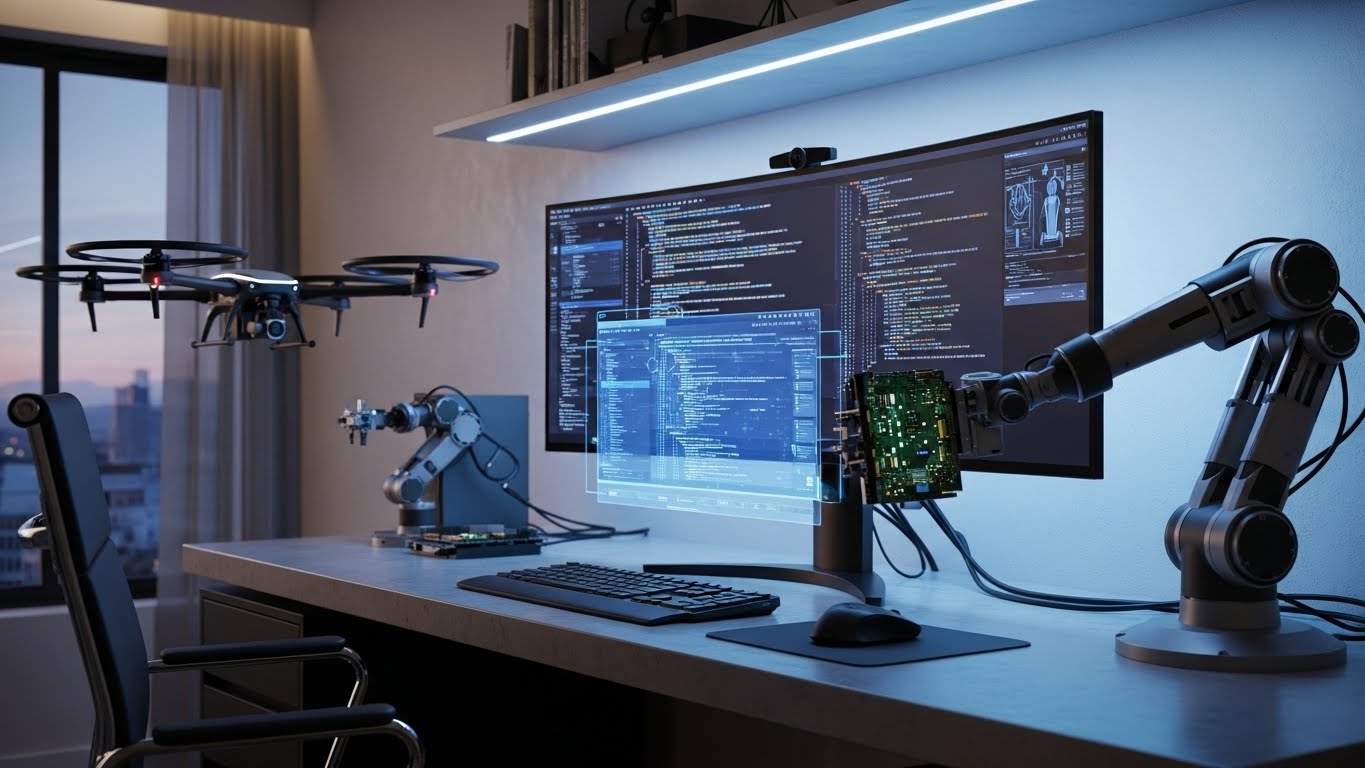
Autonomous technology is expanding far beyond self-driving cars. We are beginning to witness the emergence of autonomous delivery robots, smart agriculture machines, self-managing factories, and household systems capable of performing everyday tasks with minimal human input.
This trend is driven by improvements in sensor precision, machine learning, and environmental adaptability. Autonomous drones will support farming by monitoring crops and distributing nutrients efficiently. In urban settings, small delivery robots will navigate sidewalks to drop packages at doorsteps. At home, autonomous systems will regulate energy usage, maintain cleanliness, and help manage daily routines.
The significance of this shift lies in the freedom it provides—allowing people to focus more on creativity, relationships, and personal growth while machines handle repetitive or physically demanding jobs.
The Expansion of Edge Computing for Everyday Applications
Cloud computing has been the backbone of digital innovation for a decade, but the rise of edge computing promises even faster, more responsive experiences. Unlike cloud systems that rely on distant data centers, edge computing processes information close to the source, reducing delays and improving reliability.
This evolution will empower technologies such as autonomous vehicles, real-time gaming experiences, smart industrial machines, and medical devices requiring instant decision-making. As more devices integrate edge processing, consumers will experience smoother interactions, faster responses, and improved security, since less data needs to travel across networks.
Digital Identity and the Future of Privacy
As technology grows more integrated into everyday life, managing digital identity and privacy becomes increasingly critical. The future will likely introduce more advanced systems for identity verification that do not rely on passwords or physical documents. Instead, biometrics, decentralized identifiers, and encrypted digital personas will become standard.
These solutions aim to give individuals more control over their personal information, reducing the risk of identity theft and unauthorized access. Users will be able to share only the specific data required for a transaction, keeping the rest private. This shift toward secure, personalized digital identity will help rebuild trust in technology at a time when concerns about cyber threats are paramount.
Sustainable Technology as a Core Innovation Driver
Environmental sustainability has become a primary motivator for technological progress. Innovations that reduce energy consumption, waste production, and carbon emissions are not just ethical choices but essential components of future economic growth.
Energy-efficient microchips, smart manufacturing methods, and eco-conscious product designs will drive a new era of sustainable innovation. Renewable energy technologies will also continue to evolve, offering more accessible and efficient options for both urban and rural communities. Technology will play a central role in global sustainability efforts, helping industries transition to greener models while maintaining productivity and performance.
Human-Centered Technology as the Next Frontier
Perhaps the most profound transformation in the tech world is the shift toward human-centered design. Instead of building technology purely for functionality, developers and engineers are now prioritizing emotional well-being, mental health, accessibility, and inclusivity.
Future interfaces will be more intuitive, reducing digital fatigue and improving usability for people of all ages and abilities. The goal is to create devices and applications that support human life holistically rather than adding complexity or stress.
This approach will redefine the relationship between humans and technology, ensuring that innovation enhances daily life rather than overwhelming it.
Conclusion: A Future Defined by Possibility
Technology is no longer simply a collection of tools; it has become the framework upon which modern life is built. The advancements emerging today—from contextual AI and autonomous systems to smart cities and hyper-connected workplaces—are shaping a world that is more intelligent, efficient, and deeply interconnected.
As we move forward, the most important question is not what technology can do but how we choose to use it. The future holds immense possibility, and with thoughtful innovation, it can lead to a world where technology empowers creativity, supports well-being, and brings people together in ways never before imagined.
The horizon of technology is expanding, and with it comes the exciting opportunity to build a future that reflects the best of human ingenuity.