
Introduction: The Age of Digital Transformation
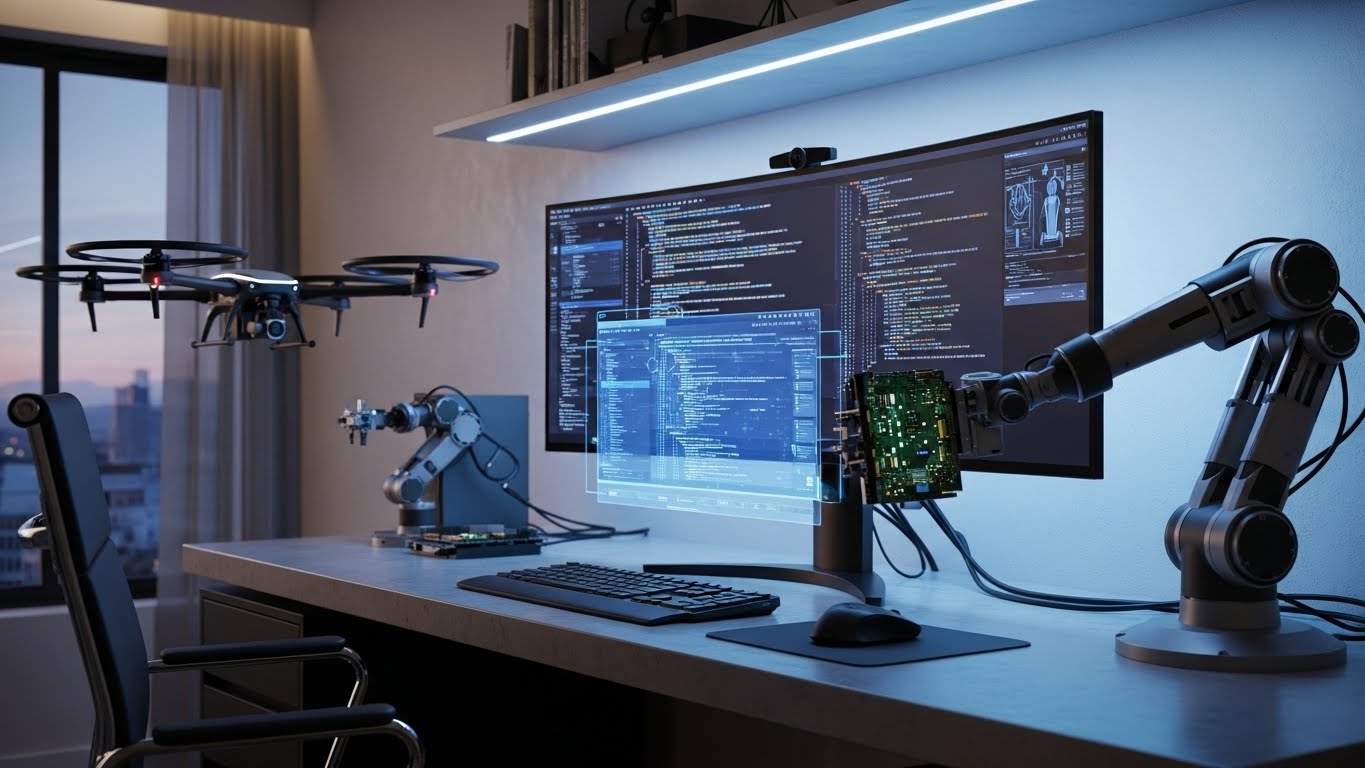
Technology has become the lifeblood of modern civilization, transforming the way we think, work, communicate, and live. From the first spark of the Industrial Revolution to the era of artificial intelligence, technology has evolved from a tool of convenience to the foundation of human progress. Today, we are living in an age where digital innovation drives economies, connects continents, and shapes cultures. The twenty-first century belongs to technology, and its influence continues to grow deeper with each passing day.
Technology is not just about machines or devices; it is about redefining human potential. It empowers creativity, enables global communication, and brings solutions to challenges once thought impossible. The digital world we inhabit today stands as a testament to human ingenuity and the limitless power of innovation.
The Evolution of Technology Through the Ages
The journey of technology began thousands of years ago when early humans discovered fire and crafted basic tools from stone. These simple inventions laid the foundation for human progress. The agricultural revolution introduced irrigation systems and tools that improved food production. The invention of the wheel revolutionized transport and trade, enabling civilizations to grow and connect.
The Industrial Revolution of the eighteenth century marked the first great leap toward modern technology. Steam engines, textile machines, and factories changed how goods were produced. This era gave birth to mass production, urbanization, and the early roots of the global economy.
The twentieth century brought about another wave of transformation with the invention of electricity, automobiles, airplanes, and computers. Each breakthrough expanded human possibilities. The late twentieth century witnessed the birth of the internet, which became the foundation of a connected world. Today, the twenty-first century is defined by artificial intelligence, robotics, blockchain, and digital connectivity — innovations that are shaping the very structure of human existence.
The Role of Technology in Everyday Life
Technology touches every aspect of modern life, often in ways we no longer consciously recognize. It powers the devices we use, the systems that run cities, and the communication networks that connect families, businesses, and nations.
Communication and Connection
Gone are the days when people had to wait weeks for letters to travel across continents. With the rise of smartphones and instant messaging, communication is now instantaneous. Social media has transformed how people interact, share ideas, and express opinions. Video conferencing tools have made global collaboration effortless, turning the world into a closely connected digital village.
Education and Learning
The integration of technology in education has revolutionized how knowledge is delivered and consumed. Interactive classrooms, digital textbooks, and online learning platforms have made education accessible to millions worldwide. Artificial intelligence tools now assist teachers in creating personalized learning experiences for students, ensuring that education adapts to individual needs.
Healthcare and Medicine
Technology has been a game-changer in healthcare. Medical devices, robotic surgeries, and telemedicine have improved diagnosis and treatment, saving countless lives. Digital health records and AI-based tools have made healthcare more efficient and data-driven. Wearable health devices monitor vital signs, empowering individuals to take control of their well-being. The future of medicine lies in precision healthcare, where technology tailors treatments based on genetic and lifestyle data.
Artificial Intelligence: The Brain Behind Modern Innovation
Artificial intelligence, or AI, stands at the forefront of technological progress. It enables machines to learn, reason, and make decisions, mimicking aspects of human intelligence. AI is now present in nearly every field, from customer service chatbots to advanced scientific research.
AI in Industry and Business
Businesses are using AI to optimize operations, enhance customer experience, and predict market trends. Machine learning algorithms analyze vast amounts of data, providing insights that drive better decision-making. In manufacturing, AI-powered robots work alongside humans, increasing efficiency and reducing errors.
AI in Daily Life
From smart assistants that control home devices to recommendation systems on entertainment platforms, AI has quietly integrated into daily life. It simplifies tasks, enhances comfort, and personalizes user experiences. As AI continues to evolve, its potential to transform human life further remains boundless.
The Internet of Things: A Connected World
The Internet of Things, often referred to as IoT, represents the next stage of digital connectivity. It involves the interconnection of everyday devices through the internet, allowing them to communicate and exchange data. Smart homes, connected vehicles, and intelligent cities are all powered by IoT technology.
Imagine a home where lights adjust based on your mood, refrigerators track groceries, and thermostats adapt to your comfort — all possible through IoT. On a larger scale, IoT helps monitor energy consumption, traffic flow, and environmental conditions, making cities more efficient and sustainable.
The Impact of Technology on Employment and Industry
Technology has reshaped industries, created new job opportunities, and automated repetitive tasks. The digital revolution has given rise to fields like data science, cybersecurity, and software engineering, while traditional sectors such as agriculture, manufacturing, and finance have also undergone digital transformation.
Automation and robotics have improved productivity, but they have also sparked debates about the future of human employment. While machines replace certain manual jobs, technology also creates new roles that demand creativity, problem-solving, and digital skills. The key lies in adapting to change and embracing lifelong learning.
The Ethical Challenges of Technology
As powerful as technology is, it also presents challenges that must be addressed responsibly. Data privacy, cybersecurity, and ethical AI are major concerns in the digital age. The collection and use of personal information raise questions about surveillance and control. Cybercrime has become a global threat, affecting individuals, businesses, and governments alike.
Artificial intelligence, if not managed ethically, could reinforce biases or make decisions without human empathy. As technology continues to advance, humanity must ensure that it serves moral and ethical purposes. The future of innovation depends on the ability to balance progress with responsibility.
Technology and the Environment
While technology has contributed to industrial growth, it has also impacted the environment through pollution, electronic waste, and overconsumption of natural resources. However, technology also holds the key to sustainability. Renewable energy systems, electric vehicles, and smart agriculture are examples of how innovation can combat climate change.
Digital monitoring tools help track environmental changes, while green technologies aim to reduce carbon footprints. The future of technology must focus on harmony between progress and the planet, ensuring that development does not come at the cost of nature.
The Role of Technology in Shaping Culture and Society
Technology has not only changed how we live but also how we think and interact. It influences art, entertainment, and culture on a global scale. Music, cinema, and literature have evolved with the help of digital tools that allow artists to create and share their work with audiences across the world.
Social media has given rise to digital communities and new forms of cultural expression. While this has made creativity more accessible, it has also blurred the boundaries between reality and virtual identity. The challenge for modern society is to embrace technology without losing the essence of human connection.
Future Technologies: The Road Ahead
The future of technology holds endless possibilities. Breakthroughs in fields such as quantum computing, biotechnology, and space exploration are poised to redefine humanity’s future.
Quantum Computing
Quantum computers promise to process information at unimaginable speeds, solving problems that traditional computers cannot. They will revolutionize industries like medicine, cybersecurity, and material science, ushering in a new era of computational power.
Biotechnology and Human Advancement
The integration of technology and biology is opening doors to unprecedented medical advancements. From gene editing to prosthetic limbs controlled by the brain, biotechnology is reshaping the boundaries between humans and machines.
Space Exploration and the Next Frontier
Technology has taken humanity beyond Earth. Advanced spacecraft and satellite systems are paving the way for interplanetary exploration. The dream of colonizing other planets is no longer confined to science fiction but is becoming a scientific pursuit fueled by innovation.
Conclusion: Humanity and Technology — A Shared Destiny
Technology is more than a force of innovation; it is a reflection of human creativity, ambition, and resilience. Every invention and discovery carries within it the story of our collective progress. The future belongs to those who can harness technology not only for convenience or profit but for the greater good of humanity.
The challenge before us is to use technology responsibly — to build a world that is smarter, fairer, and more sustainable. It is not the machines that will define the future, but the minds and morals of the people who create and use them.
As we stand at the dawn of a new digital era, one truth remains constant: technology will continue to evolve, but its greatest achievement will always be the empowerment of human potential. The digital dawn is not just about innovation; it is about humanity’s journey toward a brighter, more connected, and intelligent world.