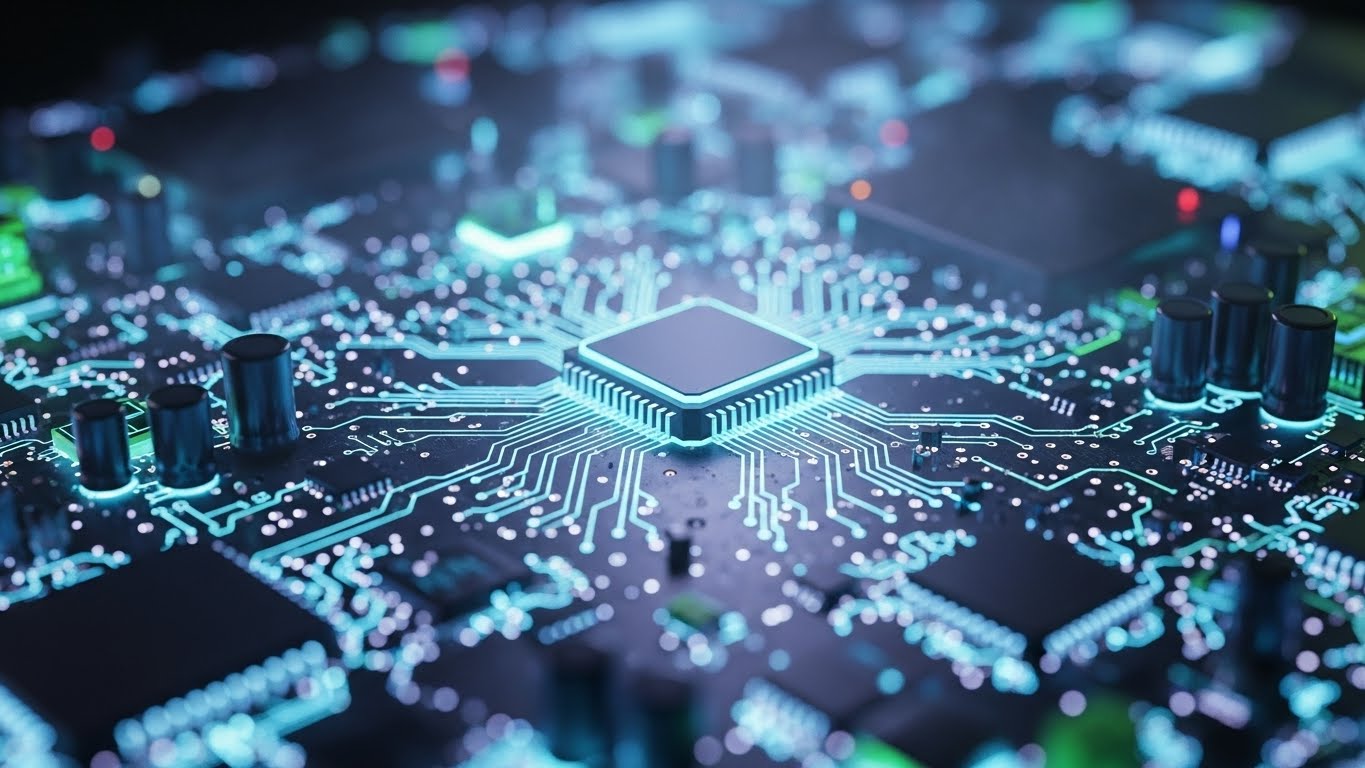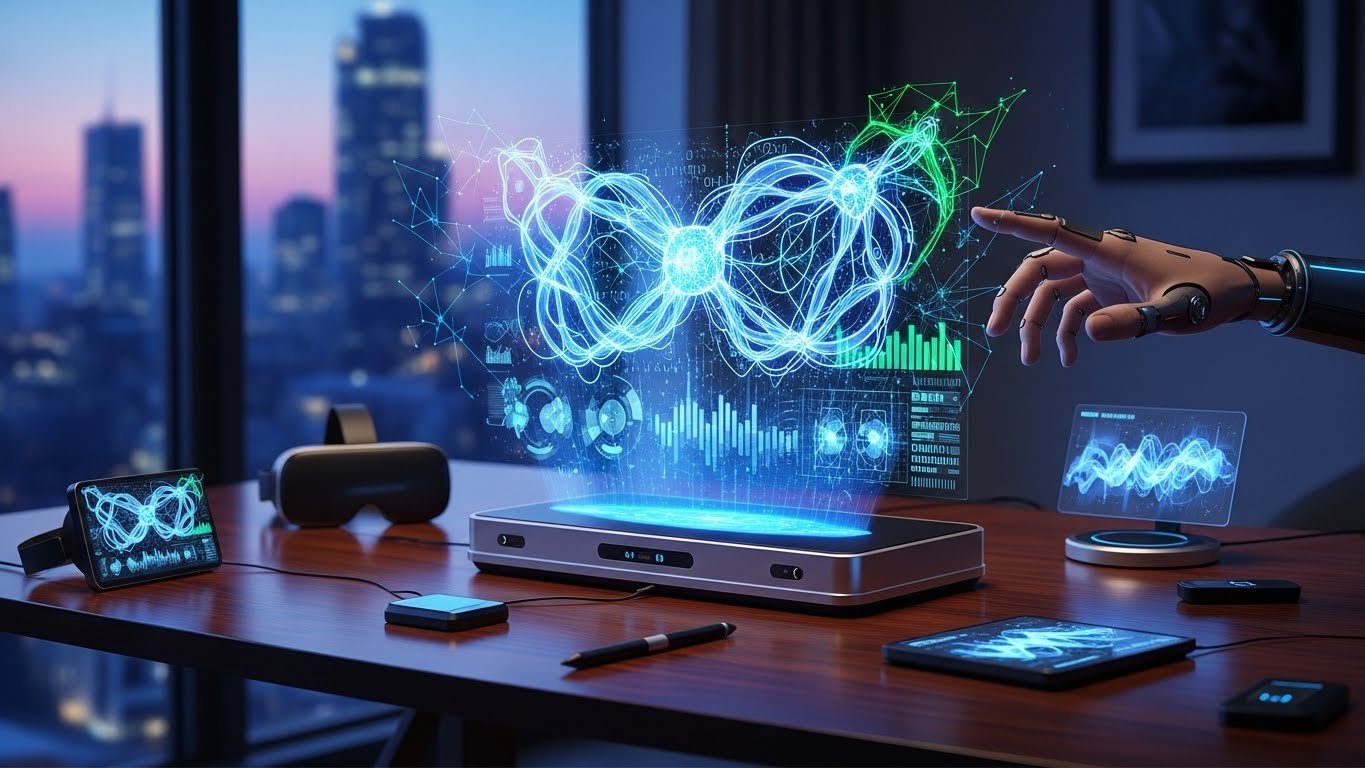

Technology is no longer just a tool; it has become an inseparable part of human existence. From the smartphones in our pockets to artificial intelligence systems transforming industries, the pace of technological innovation has reshaped our daily lives. In this article, we will explore the most impactful technological trends, their implications, and what the future might hold for both individuals and society.
The Rise of Artificial Intelligence
Artificial Intelligence (AI) has transitioned from a niche field of computer science to a cornerstone of modern technology. AI systems can now perform tasks once reserved for humans, such as recognizing images, understanding speech, and generating creative content. Machine learning, a subset of AI, enables computers to learn patterns from data and improve over time without explicit programming.
One of the most significant advancements is in natural language processing. AI models can understand and generate human language with remarkable accuracy, which has revolutionized industries such as customer service, healthcare, and content creation. Predictive analytics powered by AI is helping businesses make smarter decisions by analyzing vast datasets in real-time. As AI continues to evolve, ethical considerations, such as privacy, bias, and accountability, will become increasingly important.
Internet of Things: Connecting the Physical World
The Internet of Things (IoT) refers to the growing network of connected devices that communicate and share data over the internet. These devices range from wearable fitness trackers to smart refrigerators, industrial sensors, and autonomous vehicles. IoT technology enables real-time monitoring, automation, and optimization of processes across various domains.
In smart cities, IoT is used to manage traffic flow, reduce energy consumption, and monitor environmental conditions. In healthcare, IoT devices can track patient vitals remotely, allowing for proactive care and early intervention. The expansion of IoT also raises concerns about cybersecurity, as the more devices are connected, the greater the potential for data breaches and system vulnerabilities.
Blockchain and the Decentralization Revolution
Blockchain technology has gained prominence beyond cryptocurrency, offering a secure and transparent way to record transactions and manage digital assets. At its core, blockchain is a distributed ledger that allows multiple parties to maintain a shared record without a central authority. This decentralization reduces the risk of fraud and increases trust in digital interactions.
Industries such as finance, supply chain management, and healthcare are exploring blockchain applications. For instance, supply chain companies can track products from production to delivery, ensuring authenticity and reducing counterfeiting. Decentralized finance, or DeFi, leverages blockchain to create financial systems that are accessible without traditional banks. While blockchain holds immense potential, challenges such as scalability, energy consumption, and regulatory compliance must be addressed for widespread adoption.
The Evolution of Cloud Computing
Cloud computing has transformed how businesses and individuals store, manage, and process data. Instead of relying on physical servers, cloud services provide on-demand access to computing resources over the internet. This shift has enabled scalable infrastructure, reduced costs, and improved collaboration.
Hybrid and multi-cloud strategies are becoming common, allowing organizations to leverage the strengths of different cloud providers. Cloud computing also plays a critical role in enabling AI, big data analytics, and IoT solutions. Security remains a top concern, and cloud providers are continuously improving encryption, access control, and threat detection mechanisms.
5G and the Connectivity Leap
The rollout of 5G networks marks a significant milestone in connectivity. With speeds up to 100 times faster than 4G and ultra-low latency, 5G will enable a new era of applications. Autonomous vehicles, remote surgeries, immersive augmented reality experiences, and smart manufacturing rely on the reliability and speed of 5G networks.
Beyond speed, 5G supports massive device connectivity, which is essential for the expansion of IoT ecosystems. As 5G becomes more widespread, it will fuel innovations across multiple industries, from entertainment to healthcare to transportation. The global race to deploy 5G infrastructure also underscores the strategic importance of connectivity in economic and technological competitiveness.
Augmented Reality and Virtual Reality: Blurring the Lines
Augmented Reality (AR) and Virtual Reality (VR) technologies are changing the way we interact with digital content. AR overlays digital information on the physical world, enhancing our perception of reality, while VR immerses users in entirely digital environments. These technologies are being adopted in gaming, education, training, retail, and healthcare.
In education, AR can bring complex concepts to life, making learning more engaging and interactive. VR is being used to simulate real-world scenarios, providing risk-free training for surgeons, pilots, and engineers. As hardware becomes more affordable and software more sophisticated, AR and VR experiences will become increasingly integrated into everyday life.
Cybersecurity in a Hyperconnected World
As technology becomes more pervasive, cybersecurity has emerged as a critical concern. Cyber threats are becoming increasingly sophisticated, targeting both individuals and organizations. From ransomware attacks to data breaches, the stakes are higher than ever. Effective cybersecurity strategies combine technology, processes, and user education.
Artificial intelligence is playing a dual role in cybersecurity. While it is being used to detect and respond to threats, cybercriminals are also leveraging AI to conduct more advanced attacks. The future of cybersecurity will rely on proactive threat intelligence, adaptive defenses, and collaboration between governments, businesses, and individuals.
The Role of Robotics and Automation
Robotics and automation are reshaping industries by increasing efficiency, reducing costs, and enhancing safety. Industrial robots are widely used in manufacturing, performing repetitive tasks with precision. In healthcare, robotic surgery enables minimally invasive procedures, improving patient outcomes.
Service robots are also gaining traction, assisting in areas like logistics, hospitality, and elderly care. Automation powered by AI and robotics has the potential to transform labor markets, creating new opportunities while displacing traditional roles. Preparing the workforce for this shift will require reskilling and embracing lifelong learning.
Sustainable Technology and Green Innovation
As technology advances, sustainability has become a key consideration. Energy-efficient computing, renewable energy-powered data centers, and sustainable manufacturing processes are transforming the tech industry. Green innovation not only reduces environmental impact but also drives economic growth and competitive advantage.
Electric vehicles, smart grids, and energy management systems illustrate how technology can contribute to sustainability. Consumers are increasingly demanding eco-friendly products, prompting companies to innovate responsibly. The integration of technology and sustainability will define the next generation of solutions that balance progress with environmental stewardship.
The Human-Tech Relationship
The rapid evolution of technology has profound implications for human behavior, society, and ethics. While technology offers unprecedented convenience and capability, it also raises questions about privacy, mental health, and social dynamics. Responsible design and ethical frameworks are essential to ensure technology serves humanity positively.
Digital literacy is becoming a critical skill, enabling individuals to navigate a world saturated with information. The intersection of human creativity and machine intelligence holds immense potential, but it also requires thoughtful regulation, transparency, and inclusivity. The ultimate goal is to harness technology to enhance human potential without compromising values or well-being.
Looking Ahead: The Next Decade of Innovation
The coming decade promises extraordinary technological advancements. AI will become more intuitive and collaborative, quantum computing may unlock solutions to previously intractable problems, and biotechnology could revolutionize medicine and agriculture. The convergence of technologies—AI, IoT, blockchain, 5G, AR, VR, and robotics—will create new ecosystems and opportunities.
However, rapid innovation also demands vigilance. Ethical considerations, equitable access, and security will shape how technology impacts society. Those who can anticipate trends, adapt quickly, and apply technology responsibly will thrive in the digital future.
Conclusion
Technology is no longer a distant concept; it is the fabric of modern life. From AI to IoT, blockchain to 5G, and AR to sustainable innovation, each advancement brings new possibilities and challenges. Understanding these trends and their implications is essential for individuals, businesses, and policymakers alike. By embracing technology responsibly, we can navigate the digital frontier and create a future that is innovative, inclusive, and sustainable.
The journey of technology is ongoing, and its trajectory depends on our choices today. As we stand on the cusp of unprecedented change, the potential for human ingenuity combined with technological power is limitless. The key lies in harnessing these tools thoughtfully, ensuring that the digital frontier is not just advanced but also humane and equitable.