Introduction: Technology as an Invisible Companion
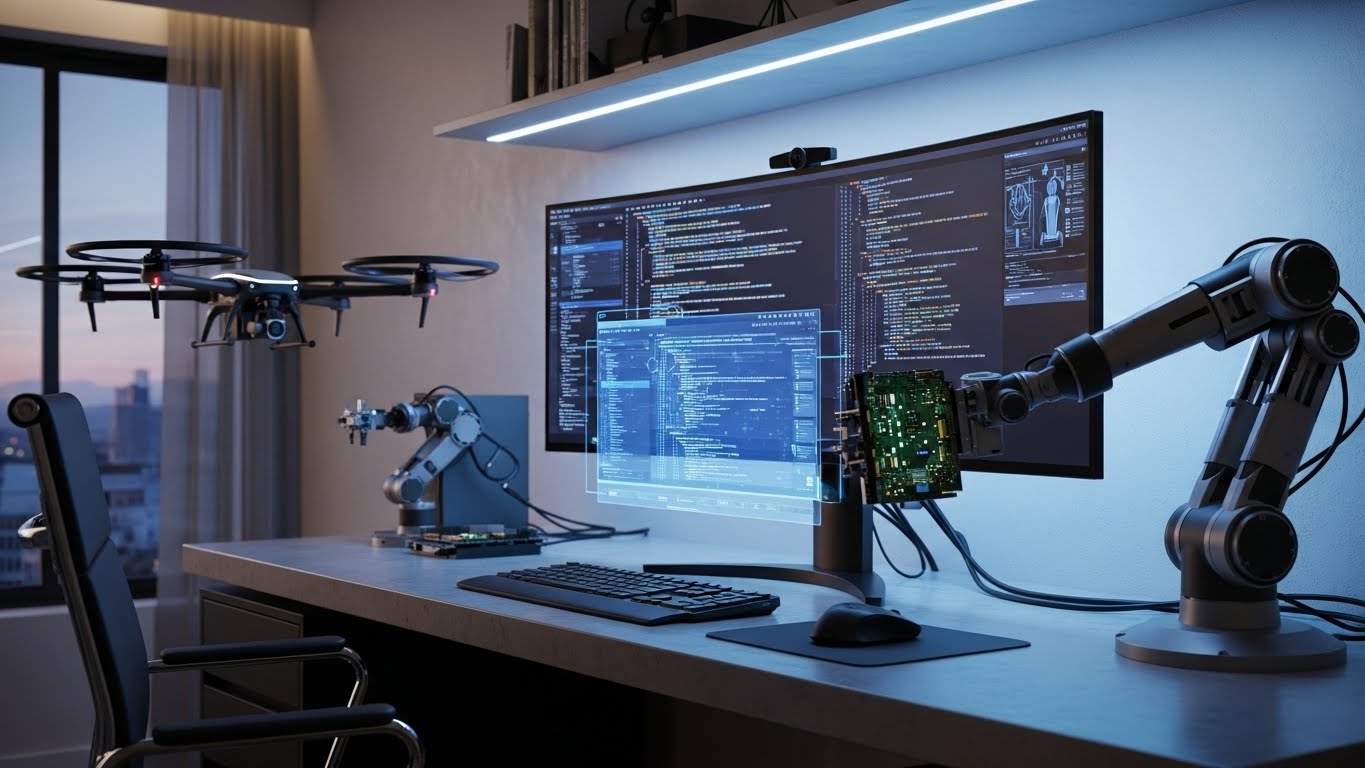
Technology is no longer a distant concept reserved for laboratories, offices, or futuristic movies. It has quietly embedded itself into everyday human life, influencing how people think, work, communicate, and even dream. Unlike past industrial revolutions that arrived with noise and visible disruption, the modern technological revolution operates silently. Its presence is felt not through machines towering over cities, but through smart devices in pockets, algorithms shaping choices, and digital systems working in the background. This transformation is not just about faster devices or smarter software; it is about a deep shift in human behavior and societal structure.
The Evolution from Tools to Ecosystems
In earlier eras, technology existed primarily as tools designed to solve specific problems. A hammer built homes, a typewriter produced documents, and a telephone enabled voice communication. Today, technology has evolved into complex ecosystems. Smartphones are not just communication devices; they are gateways to finance, education, entertainment, and social interaction. Cloud computing connects millions of systems into shared digital environments, while artificial intelligence links data, decisions, and outcomes into continuous feedback loops. This evolution has changed technology from something humans use occasionally into something humans live within constantly.
Artificial Intelligence and the Redefinition of Intelligence
Artificial intelligence has emerged as one of the most influential forces in modern technology. It challenges traditional definitions of intelligence by performing tasks once thought exclusive to human cognition. From language processing to image recognition, AI systems can learn, adapt, and improve over time. This does not mean machines think like humans, but rather that they process information in ways that complement human capabilities. As AI becomes more integrated into daily life, it raises important questions about creativity, responsibility, and trust. The future of intelligence appears to be collaborative, where humans and machines work together rather than compete.
The Digital Workplace and the Changing Nature of Jobs
Technology has transformed the concept of work more dramatically than any previous innovation. Offices are no longer confined to physical spaces, and careers are no longer linear paths. Remote work, digital collaboration tools, and automation have redefined productivity. Many routine tasks are now handled by software, allowing humans to focus on strategy, creativity, and problem solving. At the same time, this shift demands continuous learning. Skills become outdated faster, and adaptability has become a core professional requirement. The modern worker is not defined by a single role, but by the ability to evolve alongside technology.
Education in the Age of Unlimited Information
The way people learn has changed fundamentally due to technology. Knowledge is no longer scarce or difficult to access. Online platforms, digital libraries, and interactive tools have democratized education. Learning is increasingly personalized, allowing individuals to progress at their own pace and explore topics beyond traditional curricula. However, this abundance of information also creates challenges. Critical thinking and digital literacy are essential skills, as not all information is accurate or meaningful. Education today is less about memorizing facts and more about understanding how to evaluate, apply, and synthesize knowledge.
Communication Beyond Words
Technology has transformed communication from simple exchanges of information into complex, multimedia experiences. Text, voice, images, and video blend seamlessly across digital platforms. Social media allows ideas to spread globally in seconds, giving individuals unprecedented reach and influence. At the same time, this constant connectivity reshapes social dynamics. Conversations happen faster, attention spans shorten, and digital identities become extensions of personal identity. Technology has made communication easier, but it has also made it more fragile, requiring new forms of empathy and awareness in digital interactions.
Data as the New Foundation of Society
Data has become one of the most valuable resources in the modern world. Every digital action generates information that can be analyzed to understand behavior, predict trends, and optimize systems. Businesses rely on data to make decisions, governments use it to improve services, and individuals unknowingly contribute to vast data networks daily. While data enables efficiency and innovation, it also raises concerns about privacy and control. Balancing the benefits of data-driven systems with ethical responsibility is one of the defining challenges of modern technology.
The Rise of Smart Environments
Technology is no longer limited to personal devices; it now shapes entire environments. Smart homes adjust lighting and temperature automatically, smart cities manage traffic and energy usage, and smart healthcare systems monitor patient health in real time. These environments aim to increase comfort, efficiency, and sustainability. However, they also require robust security and thoughtful design. As spaces become smarter, the relationship between humans and their surroundings becomes more interactive, blurring the line between physical and digital worlds.
Technology and Human Creativity
Contrary to the fear that technology suppresses creativity, it has opened new avenues for creative expression. Digital tools allow artists, writers, musicians, and designers to experiment in ways previously impossible. Technology lowers barriers to entry, enabling more people to create and share their work. At the same time, creativity itself is evolving. Collaboration between humans and digital tools leads to hybrid forms of art and innovation. Creativity in the technological age is less about individual genius and more about exploration, remixing, and shared inspiration.
Ethical Challenges and Responsibility
With great technological power comes significant responsibility. Issues such as algorithmic bias, digital surveillance, and environmental impact demand careful consideration. Technology reflects the values of those who create and deploy it. Ethical decision making must be integrated into technological development from the beginning, not treated as an afterthought. Societies must engage in ongoing dialogue about how technology should be used and who should benefit from it. Responsible innovation requires transparency, accountability, and inclusivity.
The Psychological Impact of Constant Connectivity
Technology influences not only external behavior but also internal mental states. Constant notifications, digital comparisons, and information overload can affect focus and emotional well-being. While technology offers tools for productivity and connection, it also requires mindful use. Developing healthy digital habits is essential for maintaining balance. The challenge is not to reject technology, but to integrate it into life in a way that supports mental health rather than undermines it.
Looking Ahead: Technology as a Human Story
The future of technology is not predetermined by machines or code. It is shaped by human choices, values, and imagination. Emerging technologies such as advanced automation, immersive digital experiences, and intelligent systems will continue to transform society. However, their impact will depend on how thoughtfully they are adopted. Technology should serve human goals, enhance well-being, and support meaningful connections. The most important question is not what technology can do, but what humanity chooses to do with technology.
Conclusion: Embracing the Silent Revolution
Technology’s greatest influence lies in its subtlety. It reshapes lives quietly, often unnoticed, until its effects become inseparable from daily existence. Understanding this silent revolution allows individuals and societies to engage with technology more consciously. Rather than fearing change or blindly accepting it, people can shape technological progress with intention and care. In doing so, technology becomes not just a force of transformation, but a partner in the ongoing story of human development.