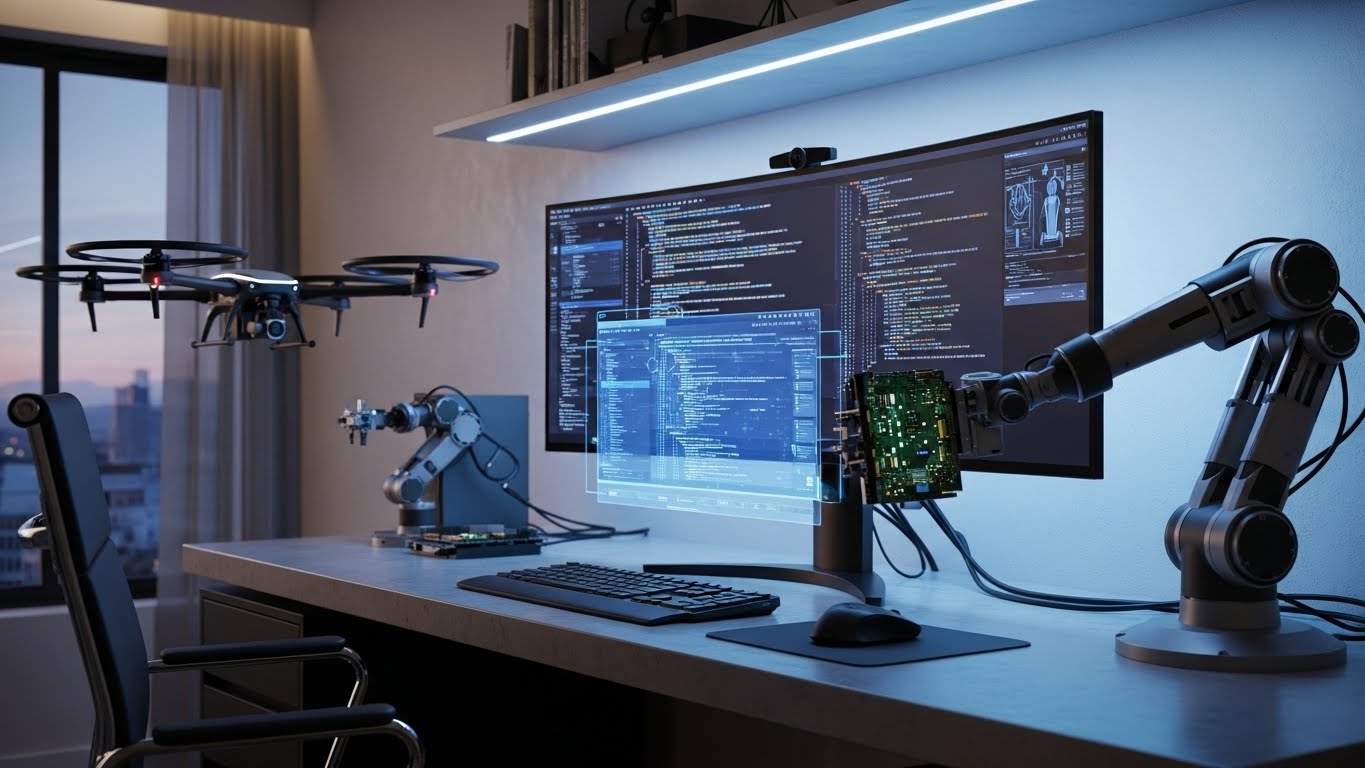

Introduction: Technology as the Driving Force of Change
Technology has always been a powerful force in human progress. From the invention of the wheel to the creation of the internet, each breakthrough has transformed how people live, work, and communicate. Today, technology is evolving at an unprecedented pace, shaping nearly every aspect of modern life. Its influence is visible in industries, homes, cities, and even personal interactions, making it a central pillar of contemporary society.
The current era can be described as a technological renaissance. Innovations are not just incremental improvements—they are disruptive, redefining expectations and creating entirely new possibilities. In this blog, we will explore the multifaceted impact of technology, its evolution, current trends, and what the future may hold.
The Evolution of Technology
The story of technology is a tale of human ingenuity. Early inventions like the printing press, the steam engine, and the telephone revolutionized communication, transportation, and production. The 20th century brought about transformative advancements such as electricity, automobiles, and computers, which laid the foundation for the digital age.
The late 20th and early 21st centuries saw the rise of the internet and mobile devices, connecting people globally in real-time. Cloud computing, smartphones, and high-speed networks transformed the way we access information, conduct business, and entertain ourselves. Today, technology is no longer a tool used in isolation—it is an integrated ecosystem that influences nearly every decision, interaction, and experience in our lives.
Artificial Intelligence: The Brain Behind Modern Technology
Artificial intelligence (AI) is one of the most transformative forces in technology today. By enabling machines to learn, adapt, and make decisions, AI has revolutionized industries from healthcare to finance. AI-powered systems can analyze massive amounts of data quickly, providing insights that humans alone cannot achieve.
In healthcare, AI algorithms help diagnose diseases, predict outbreaks, and personalize treatment plans. In finance, AI drives automated trading, fraud detection, and risk management. Even in entertainment, AI is shaping the creation of music, video games, and interactive storytelling. Its potential is vast, and as AI continues to evolve, it promises to redefine the boundaries of human capability.
Connectivity and the Internet of Things
One of the most visible impacts of modern technology is the connectivity of everyday devices, often referred to as the Internet of Things (IoT). Smart homes, wearable technology, and connected cars are now commonplace, demonstrating how technology has become an integral part of daily life.
IoT devices collect data, automate processes, and enhance convenience. Thermostats adjust to user behavior, refrigerators monitor food inventory, and cars communicate with traffic systems to optimize routes. Beyond personal convenience, IoT is transforming industries. In agriculture, connected sensors monitor soil and weather conditions to improve crop yields. In manufacturing, IoT enables predictive maintenance, reducing downtime and costs. The connectivity revolution is not just about gadgets—it is about creating smarter, more efficient systems across the board.
The Impact of Technology on Communication
Communication has been transformed by technological innovation. Social media platforms, instant messaging, and video conferencing have made it possible for people to connect instantly, regardless of location. This shift has altered personal relationships, business operations, and even global diplomacy.
Remote work, enabled by advanced communication tools, has become a norm rather than an exception. Teams can collaborate across time zones with ease, and companies can access talent globally. While this offers flexibility and efficiency, it also raises questions about digital overload, privacy, and the blending of personal and professional life. Technology has made communication faster and broader, but it also requires new strategies for balance and responsible use.
Education and Learning in the Digital Age
Technology has revolutionized the way we learn. Digital platforms, online courses, and interactive tools have made education more accessible and personalized than ever before. Virtual classrooms allow students from remote areas to access the same resources as those in metropolitan centers. Augmented reality and virtual reality create immersive learning experiences, allowing students to explore history, science, and art in highly engaging ways.
Adaptive learning systems use AI to identify individual strengths and weaknesses, tailoring content to meet each student’s needs. This shift from one-size-fits-all education to personalized learning has the potential to bridge gaps in knowledge and opportunity, making education more effective and inclusive.
The Transformation of Work Through Technology
Technology is reshaping the workplace at a fundamental level. Automation, AI, and digital collaboration tools have changed how tasks are completed and how teams function. Routine, repetitive tasks are increasingly automated, freeing humans to focus on creativity, strategy, and decision-making.
Remote work, enabled by cloud computing and communication platforms, has redefined office culture. Organizations can operate efficiently with distributed teams, reducing overhead costs and expanding access to global talent. However, this also presents challenges such as digital fatigue, cybersecurity threats, and the need for continuous upskilling to remain competitive in a tech-driven economy.
Entertainment in the Digital Era
The entertainment industry has been completely transformed by technology. Streaming services, digital gaming, virtual concerts, and interactive media have redefined how people consume content. Audiences now have unprecedented control over what they watch, play, and listen to, creating a personalized entertainment experience.
Video games, in particular, have become a cultural phenomenon, blending storytelling, art, and technology. AI-driven game design, virtual reality, and online multiplayer platforms provide immersive experiences that engage players on a deeper level. Similarly, music and film industries leverage AI and data analytics to understand audience preferences and create content that resonates globally.
Green Technology and Sustainability
Technology is also critical in addressing environmental challenges. Innovations in renewable energy, electric vehicles, energy-efficient buildings, and waste management are paving the way for a sustainable future. Solar panels, wind turbines, and smart grids are making energy production cleaner and more efficient, while electric cars and public transport technologies are reducing carbon emissions.
Sustainable tech solutions are increasingly integrated into business strategies and urban planning. Cities are adopting smart systems to monitor pollution, optimize energy use, and enhance public transportation. Technology not only drives economic growth but also provides tools to protect and preserve the planet for future generations.
Cybersecurity and Data Privacy
As technology becomes more integrated into daily life, cybersecurity and data privacy have become critical concerns. From personal information to corporate secrets, data is a valuable resource that must be protected. Cyberattacks, identity theft, and digital fraud highlight the vulnerabilities inherent in our connected world.
Advanced encryption, biometric authentication, and AI-driven security systems are helping mitigate risks. Individuals and organizations must adopt best practices to safeguard sensitive information. As technology evolves, so too must the strategies for ensuring digital safety and maintaining trust in the systems we rely on.
Emerging Technologies and the Road Ahead
The pace of innovation shows no signs of slowing. Emerging technologies such as quantum computing, augmented reality, brain-computer interfaces, and advanced robotics are poised to reshape industries and redefine human potential. Quantum computing promises breakthroughs in medicine, logistics, and materials science. Augmented reality can revolutionize training, retail, and entertainment by overlaying digital information onto the physical world. Brain-computer interfaces could enable direct interaction with technology through thought alone, opening new frontiers in accessibility and human-machine collaboration.
The future will be defined by integration, personalization, and automation. Technology will continue to blur the lines between the physical and digital worlds, making everyday life smarter, more efficient, and more interconnected.
Conclusion: Embracing the Tech Renaissance
Technology is more than a collection of tools; it is a transformative force that shapes every aspect of human life. From AI and connectivity to sustainability and entertainment, its impact is profound and far-reaching. The current era represents a tech renaissance, where innovation drives creativity, efficiency, and global connectivity.
As we navigate this landscape, it is essential to embrace technology responsibly, balancing progress with ethics, privacy, and sustainability. By understanding and harnessing its potential, we can shape a future where technology enhances human experience, solves global challenges, and empowers every individual. The renaissance is ongoing, and the possibilities are limitless for those willing to explore, innovate, and adapt.